




What is Phosphor Delamination in LED Lighting: Causes, Effects, and How to Fix It
Updating streetlights to use LEDs makes sense. They are one of the most energy-efficient lighting technologies that currently exist. They also tend to be more durable and longer-lasting than other types of lighting while producing light that is comparable or better in quality.
Phosphor delamination is a common but hidden cause of LED light failure. In most white LEDs, light is created when a blue LED chip emits light that passes through a phosphor layer, which converts part of the blue light into other colors (yellow, red, or green). The blend of colors creates the white light we see. When the phosphor layer separates—or delaminates—from the LED chip or encapsulant, it disrupts this conversion process. The result is uneven color, reduced brightness, and early LED failure.
Common Causes of Phosphor Delamination
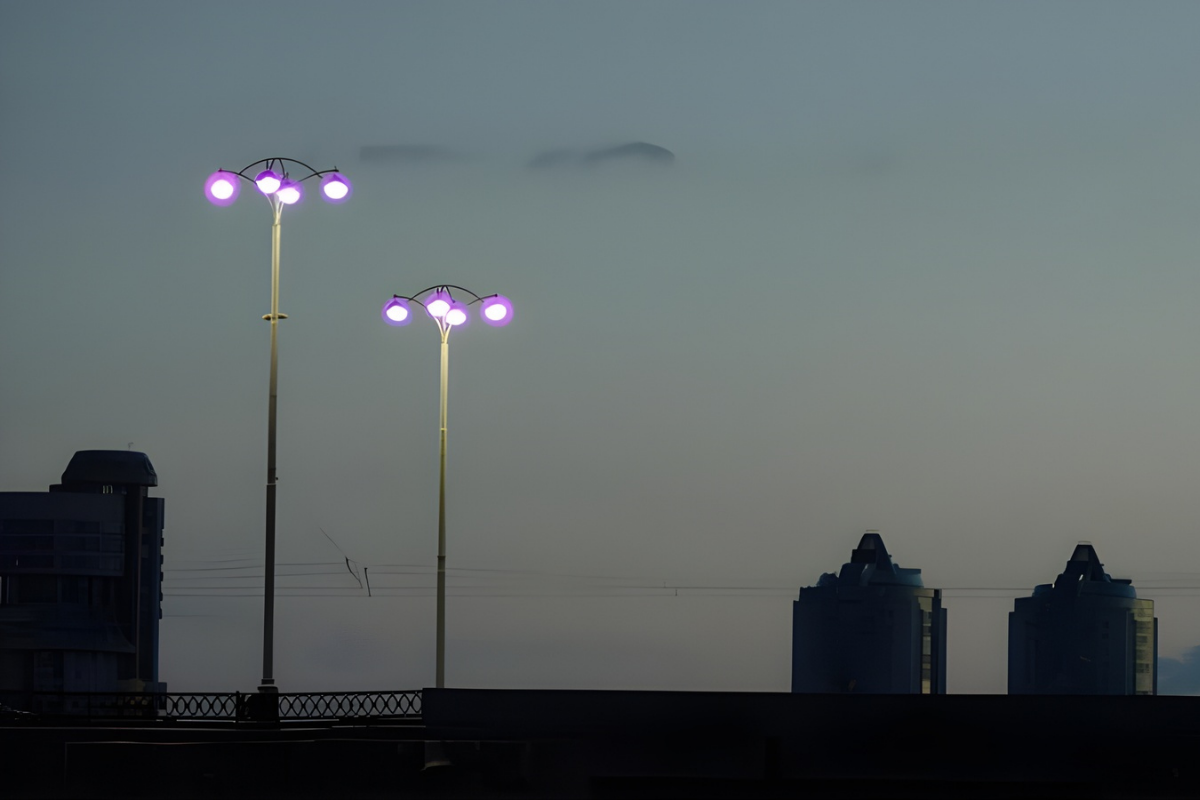
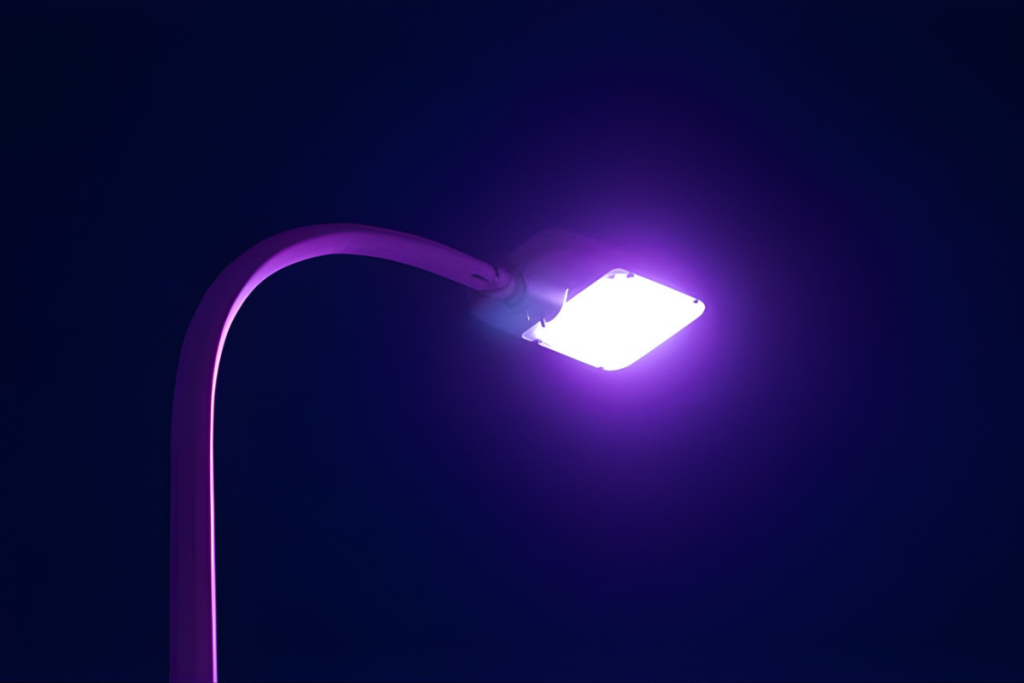
When the LED modules emit an unintended purple hue due to the degradation of the silicone-phosphor layer, it can drastically alter the visual perception of the environment. Such changes can lead to poorer visibility, making it difficult for individuals to recognize obstacles, read signs, or accurately discern the colors of traffic signals, which are critical for making safe decisions while navigating. Furthermore, the unexpected color shift can possibly be distracting or even disorienting.
Excessive Heat
Poor thermal management causes expansion and contraction cycles that weaken the phosphor bond.
Moisture Exposure
Humidity or water vapor that enters the LED housing can damage adhesives and cause the phosphor to bubble or peel away.
Photochemical Degradation
High-energy blue light and UV exposure break down silicone binders and phosphor over time.
Manufacturing Issues
Improper curing, poor material compatibility, or contamination during production can create weak spots prone to delamination.
Qi Yang//Getty Images
Symptoms of Phosphor Delamination
If your LED fixtures show any of the following signs, phosphor delamination could be the culprit.
- Uneven or patchy light output
- LEDs appearing purple, blue or “colder” than before
- Rapid brightness loss
- Visible color inconsistencies across modules or signs
Why It’s a Serious Problem
Phosphor delamination doesn’t just affect appearance—it impacts performance, efficiency, and lifespan. In large-scale applications like LED lighting, these failures can quickly become visible and costly, which quickly leads to customer dissatisfaction, increased maintenance expenses, and safety issues.
When the LED modules emit an unintended purple hue due to the degradation of the silicone-phosphor layer, it can drastically alter the visual perception of the environment. Such changes can lead to poorer visibility, making it difficult for individuals to recognize obstacles, read signs, or accurately discern the colors of traffic signals, which are critical for making safe decisions while navigating. Additionally, the unexpected color shift can possibly be distracting or even disorienting.
How Electro-Matic Visual Can Help
Electro-Matic Visual specializes in diagnosing and replacing failing LED fixtures suffering from phosphor delamination and other thermal or optical issues. Our advanced LED solutions feature:
- High-quality, thermally stable materials
- Enhanced moisture protection for long outdoor life
- Improved phosphor encapsulation to prevent delamination
- Increased Lumens per Watt for maximum efficiency
Restore Performance and Protect Your Investment
If your LED lights are showing uneven colors or dimming prematurely, don’t wait for more failures.
Contact Electro-Matic Visual today for a professional evaluation and replacement plan tailored to your installation.