




How to Reduce Energy Consumption in Commercial Settings
Reducing energy consumption and teaching employees how energy is consumed in commercial settings are becoming popular methods to increase business profits. This includes a whole building approach—not just looking at equipment, but the design and employee culture within the business. Evaluating all of these angles is the best way to reach significant savings on your energy bill. Below are some of the best tips on how to reduce energy consumption in buildings.
Update Your Lighting to Modern Technology
LED Lighting
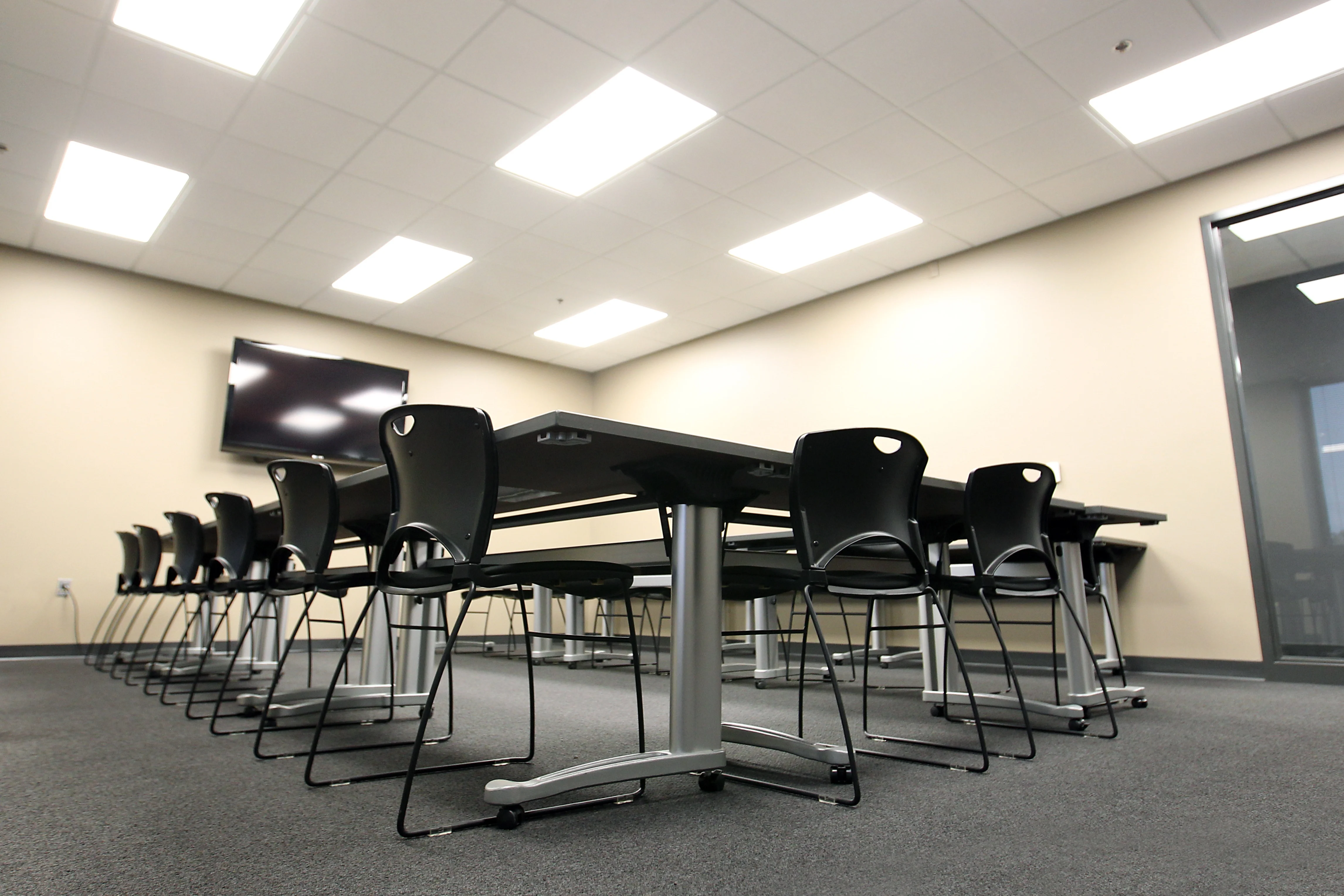
If your current lighting is outdated, LED lighting can make a quick, dramatic impact on your energy consumption and cost. According to the U.S. Department of Energy, LED lighting uses up to 90% less energy than traditional lighting products. Converting your lighting to LED lighting may result in up to a 50% reduction in your electrical costs of your lighting energy consumption. LED lighting also has added benefits of less heat generation thus reducing your air conditioning load as well as reducing your maintenance costs due to the long life of LED lighting. The useful lifespan of a lighting product is commonly referred to as the total number of operating hours until the product is emitting 70% or less of its initial light output. High quality LED lighting products typically have a useful lifespan of 30,000 – 50,000 hours or more. Because of this, the average lifespan of LED lighting fixtures is about five years longer than that of incandescent lighting fixtures and about 3 years longer than compact fluorescent lamps. Even the very best linear fluorescent lamps have at most 30,000 hours of useful life. LED lighting products are the best option for longevity. Most users of LED lighting notice a cleaner crisper light when they convert to modern lighting technology which can result in an improved employee workplace.
Improving Equipment in Commercial Settings
Install Programmable or Smart Thermostats
A programmable thermostat can adjust the facility to a set temperature during business hours, and a different temperature when everyone has left for the day. During non-working hours, consider setting the temperature of the workspace a few degrees higher in warmer months and a few degrees cooler during colder months. According to ENERGY STAR, and the U.S. Department of Energy, by using a programmable thermostat you can reduce your building’s heating and cooling costs by 8-10% annually.
Upgrading to smart thermostats can build upon programmable thermostats by further optimizing energy use by automatically adjusting temperatures based on occupancy and time of day.Smart Thermostats can also oftentimes access weather information and can be controlled remotely.
Upgrading Air Compressors Can Reduce Energy Consumption by 35% in Commercial Buildings
Updating the air compressors in your commercial building is one of the most effective ways to achieve significant energy savings. By switching to a variable-speed drive (VSD) air compressor, you can reduce your facility’s energy consumption by up to 35%.The drive motor is the main part of the air compressor that uses electricity. Newer VSD air compressors automatically adjust motor speed to match real-time demand, ensuring optimal efficiency and lowering your energy bills. According to Evergy, this type of air compressor upgrade not only cuts energy costs but also reduces maintenance needs, minimizes noise, and decreases the risk of costly air leaks. For businesses looking to improve commercial building efficiency and lower operational expenses, investing in modern air compressor technology is a smart and sustainable solution.
Maximizing Energy Savings with Heat Recovery Systems in Commercial Buildings
Any piece of equipment that produces heat can use a heat exchanger to help offset the heating need from HVAC equipment. For example, 80–90% of the electrical energy used by an air compressor is converted to heat. Utilizing a heat recovery unit can recover 50–90% of this heat for heating air or water. By doing so,it plays a crucial role in sustainability through the capture and re-use of heat waste that would have otherwise been lost. In short, heat recovery significantly reduces your buildings overall energy costs and greenhouse gas emissions.
Evaluate Hot Water Heaters For Commercial Energy Efficiency
Selecting a more energy-efficient hot water heater is a powerful way to reduce energy consumption, and building managers now have far more options when it comes to upgrading their commercial building’s hot water heater.The easiest solution is to start using tankless (instantaneous) water heaters that only heat the water as needed. Tankless water heaters eliminate the constant energy drain of keeping a large tank hot. These energy-efficient water heaters can often be installed in place of traditional units with minimal disruption.
For businesses looking for more sustainability, solar hot water systems use renewable energy to heat water, further reducing reliance on fossil fuels. Whichever system you choose, insulating hot water pipes with high R-value materials is a cost-effective step that helps maintain water temperature and maximizes energy savings throughout your facility.
Install Motion Sensitive Light Switches and Smart Lighting Controls
Utilizing dimmer switches is another energy-saving option that requires very little work. These switches can be swapped out directly with the existing switches and will ensure that the lights are only on when your commercial space is occupied. Another option is installing occupancy sensors, also known as motion-sensitive light switches. Motion sensitive light switches automatically turn lights on when a room is in use and off when it’s empty, ensuring energy isn’t wasted. Pairing these with dimmer switches and LED lighting allows you to adjust brightness as needed, further optimizing efficiency. For maximum impact, consider daylight harvesting systems that automatically adjust artificial lighting based on the amount of natural light in the space. These smart lighting controls are easy to retrofit and deliver immediate, measurable energy savings.
Optimize Building Design and Layout for Energy Savings
Use Strategic Landscaping By Planting Shade Trees Outside Your Office
Landscaping isn’t just for curb appeal—it’s a proven energy-saving strategy. Plant deciduous trees on the south and east sides of your building to provide shade in summer and allow sunlight in during winter, reducing both cooling and heating loads. Evergreen trees on the west and north sides create a windbreak in winter and add shade in summer. This approach, recommended by the U.S. Department of Energy, can make outdoor areas feel 10–15°F cooler and significantly reduce HVAC energy use. Choose native, drought-resistant species for low-maintenance, sustainable landscaping.
Maximize Day-Lighting Skylights and High-Performance Windows
Skylights and large windows on the north and south sides of your building bring in abundant natural light, reducing the need for artificial lighting during the day. Install overhangs above south-facing windows to block summer sun while allowing winter sunlight to enter. Consider operable windows or skylights to enable natural ventilation and let hot air escape during warmer months, further lowering cooling costs. Use high-performance glazing or low-E glass coating to ensure heat stays inside during the winter and outside during the summer.
Energy-Saving Office Culture

Establish Energy Efficient Practices
Getting employees to participate in energy-saving habits is an effective way to help reduce energy costs. Creating incentives or competitions to see how low an office can get their average kWh spend per month is an innovative way to encourage employees toward saving energy. Sharing what the electric bills are each month can also give the employees a realization on just how much energy is actually being consumed.
Maintain HVAC and Office Equipment For Maximum Efficiency
Regular HVAC maintenance is one of the easiest ways to increase energy efficiency. A building that properly maintains its HVAC will use 15–20% less energy than those who do not have a maintenance plan. Make sure that your maintenance plan includes checking the refrigerant levels in HVAC units, filter changes, and duct sealing to ensure systems are operating at peak efficiency. Properly filled units will produce up to 20% in energy savings.
Identify and Eliminate Phantom Electric Loads
Phantom electric loads refer to the electricity consumed by electronics while they are not being used. It could include clocks on the microwave, or settings that need to be too saved internally on devices. Phantom loads can contribute to as much as 10% of the energy bill. Combat this hidden waste by unplugging equipment when not in use, setting standby times, and installing smart power strips that automatically cut power to unused devices. Opt for ENERGY STAR® certified office equipment to ensure the lowest possible standby consumption.
Follow these tips on how to reduce energy consumption in buildings to optimize your commercial space.